
Whoa! I installed a Solana wallet extension last week. My first impression was: fast, clean, and surprisingly intuitive. At first I thought browser wallets were all the same, but as I dug into Phantom’s UX and its approach to key management I realized there are meaningful differences that change how you interact with DeFi on Solana. I’m not 100% certain it’s perfect, but it made me rethink what a desktop wallet should feel like.
Seriously? Yes — because speed matters. Phantom loads quickly, shows balances, and pops up for wallet approvals without lag. When you connect to an NFT marketplace or a DeFi app, those micro-delays add friction that reduces trust, and Phantom’s design minimizes that by batching signatures and showing clear transaction details, which is both a UI and a security win. Still, some caveats exist depending on how you use it.
Hmm… Security first: the extension stores keys locally encrypted by your password. You create a seed phrase during setup and Phantom encourages you to back it up. Initially I thought browser extensions were inherently risky but then I tested restoring a wallet on a fresh profile and watching how permissions and wallet approval dialogs behave, which changed my view on risk management for browser-based Solana wallets. That said, a seed phrase is the single point of failure, so treat it like gold — or better.
Here’s the thing. Use hardware wallets when you can. Phantom can connect to Ledger devices so you keep your private keys offline. On one hand you get the convenience of the extension for everyday interactions, though actually combining it with a hardware signer for large trades or long-term holdings gives you the best protection against browser compromises and phishing attacks. This hybrid approach is how I handle my own funds.
Okay, so check this out—if you want to install it, go to the official download page on a trusted browser. I prefer to use the Chrome Web Store or the direct site to avoid fake clones. Verify the URL and the publisher — phishing clones are out there and they look convincing. Trust me: verifying the URL is small but very very important, and it saved me once when somethin’ felt off on a weird redirect.
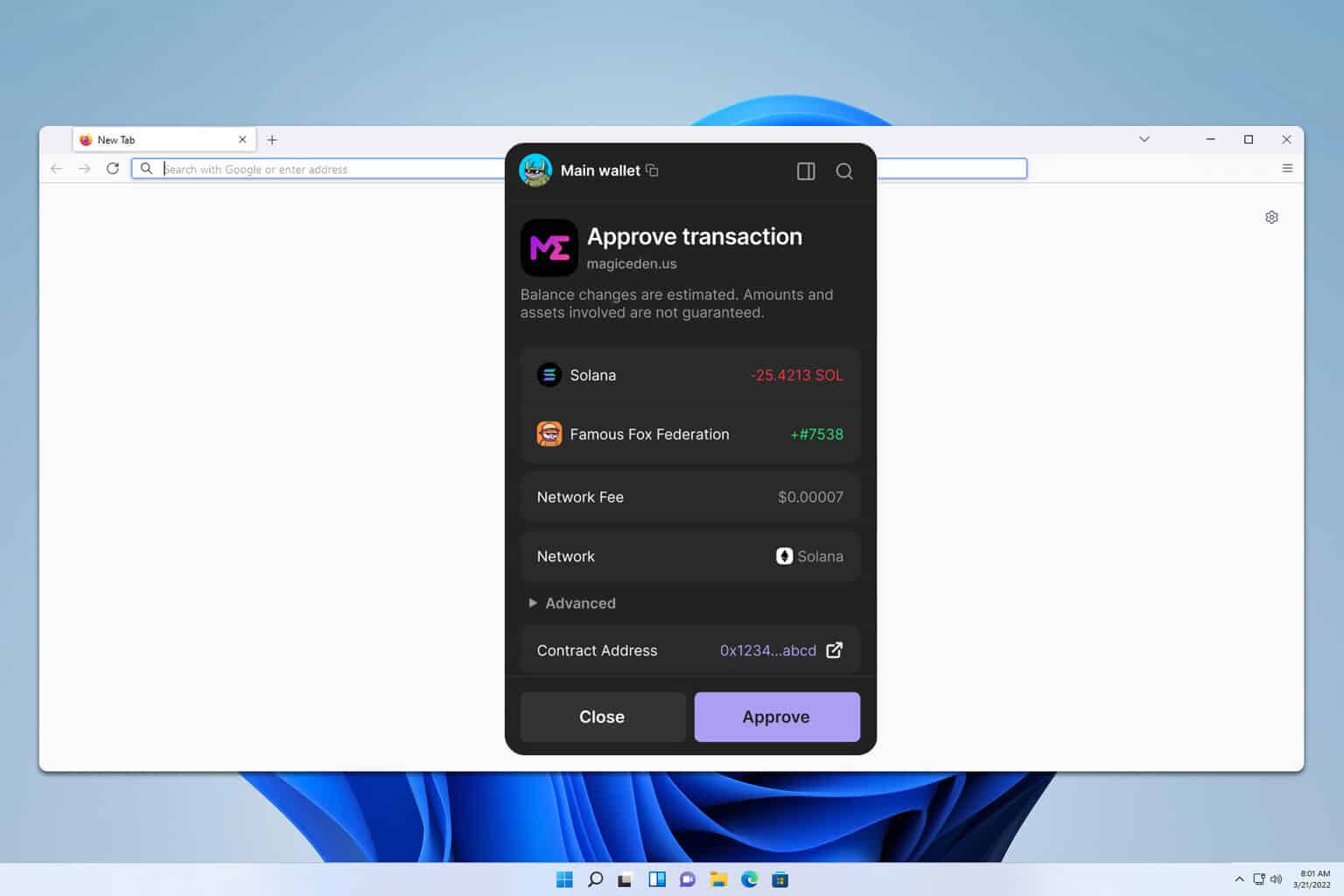
Want the official download? Read the prompts carefully
If you want a quick path, use this link to get the extension and read the install prompts carefully so you don’t grant unnecessary access or paste your seed phrase into a webpage: phantom wallet. Create a secure password, write down the seed phrase on paper, and store that paper somewhere safe. Oh, and never take screenshots of your seed — no cloud backups unless it’s encrypted and you control the keys. These are small steps, but they cut a lot of risk.
A few practical tips. Rename accounts to keep track of different strategies. You can create multiple wallets and label them for staking, trading, or NFTs. When using DeFi, confirm the token mint address and check transaction memos because Solana lets tokens share names and a lazy glance can cost you funds, so cross-checking mint addresses is a habit that saved me from a scam once. Also review the approvals page before confirming.
Sound boring? Maybe, but it beats losing money. Phantom also supports swapping built-in which is a nice convenience for small trades. It sources liquidity from Serum and other DEXs and while fees on Solana are low, slippage and routes still matter, so I usually preview the route and amount before confirming to avoid surprises. That extra two-second check pays off.
Oh, and by the way… Phantom’s NFT gallery is one of my favorite features. It displays on-chain metadata neatly, and the gallery makes browsing collections comfortable. As someone who loves NFTs but also worries about clutter and gasless approvals, I appreciated how Phantom keeps activity tidy while still letting you list, transfer, or view royalties without leaving the browser. The UX isn’t perfect, and some metadata still loads slowly for older collections.
I’m biased, but I like their commitment to developer tooling. There are solid docs and a growing ecosystem of dapps that integrate with Phantom. Developers can use the window.solana API to prompt connections and sign transactions, which streamlines UX for users across wallets, though it also means dapps must implement proper checks and give users clear messages to avoid social engineering. I saw a few dapps that rushed integration and it showed — sloppy UX invites mistakes.
Quick troubleshooting. If the extension won’t connect, try disabling other wallet extensions first. Profiles and cached permissions sometimes interfere, so test in a fresh browser profile if needed. On the rare occasions I had phantom stalls, clearing site data for the dapp and reconnecting fixed it, but be careful because clearing can remove saved settings that you’d prefer to keep, so weigh the trade-offs before wiping data. And always backup before making big changes.
FAQ
Is Phantom safe for everyday use?
Yes for small-to-medium daily flows. But for large holdings use a hardware wallet via Ledger integration. My instinct said keep cold storage for big bags, and testing proved that hybrid model works best for me.
What if I lose my seed phrase?
You’ll lose access to that wallet. Really. There is no central recovery. So back it up securely and consider splitting the phrase across multiple secure locations if you hold significant value — it’s tedious, but worth it.